Sharara vs. Gharara: What’s the Difference and Which Silhouette Suits You Best?

NAYYAB COLLECTION / THE BRIDAL JOURNAL
A considered guide to two iconic Pakistani silhouettes—their heritage, construction, movement, and the occasions that make each one shine.
Few pieces capture the romance of Pakistani occasionwear quite like the sharara and the gharara. Both pair beautifully with embroidered shirts and sweeping dupattas; both can be delicate enough for a Nikkah or magnificent enough for a wedding. Yet the way each is cut changes the entire mood of an outfit. Knowing the difference helps you choose not simply what looks lovely in a photograph, but what feels wonderful to wear.
At Nayyab Collection, we believe beautiful formalwear begins with understanding the silhouette, then making it your own through fabric, craftsmanship and fit.
The essential difference: where the flare begins
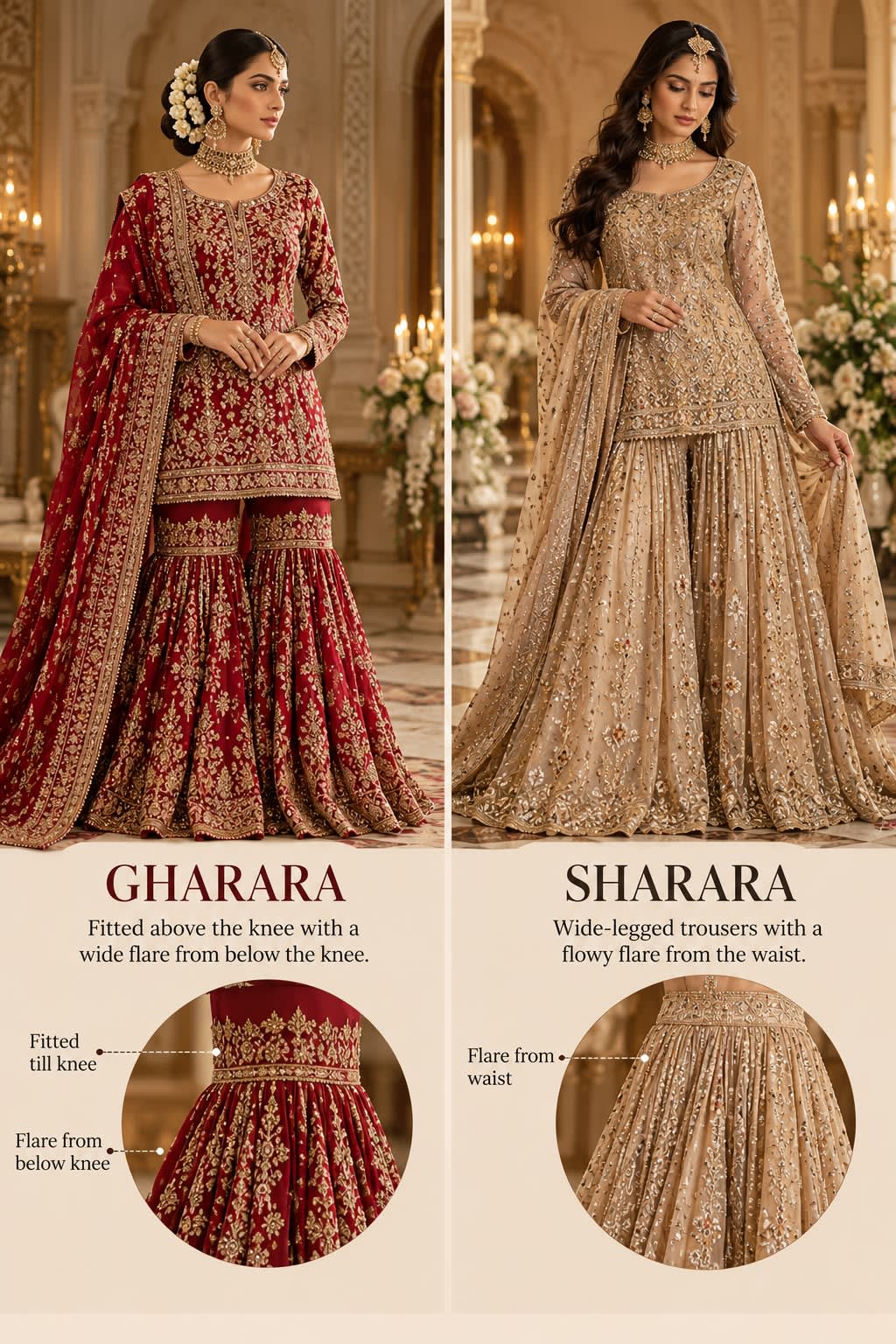
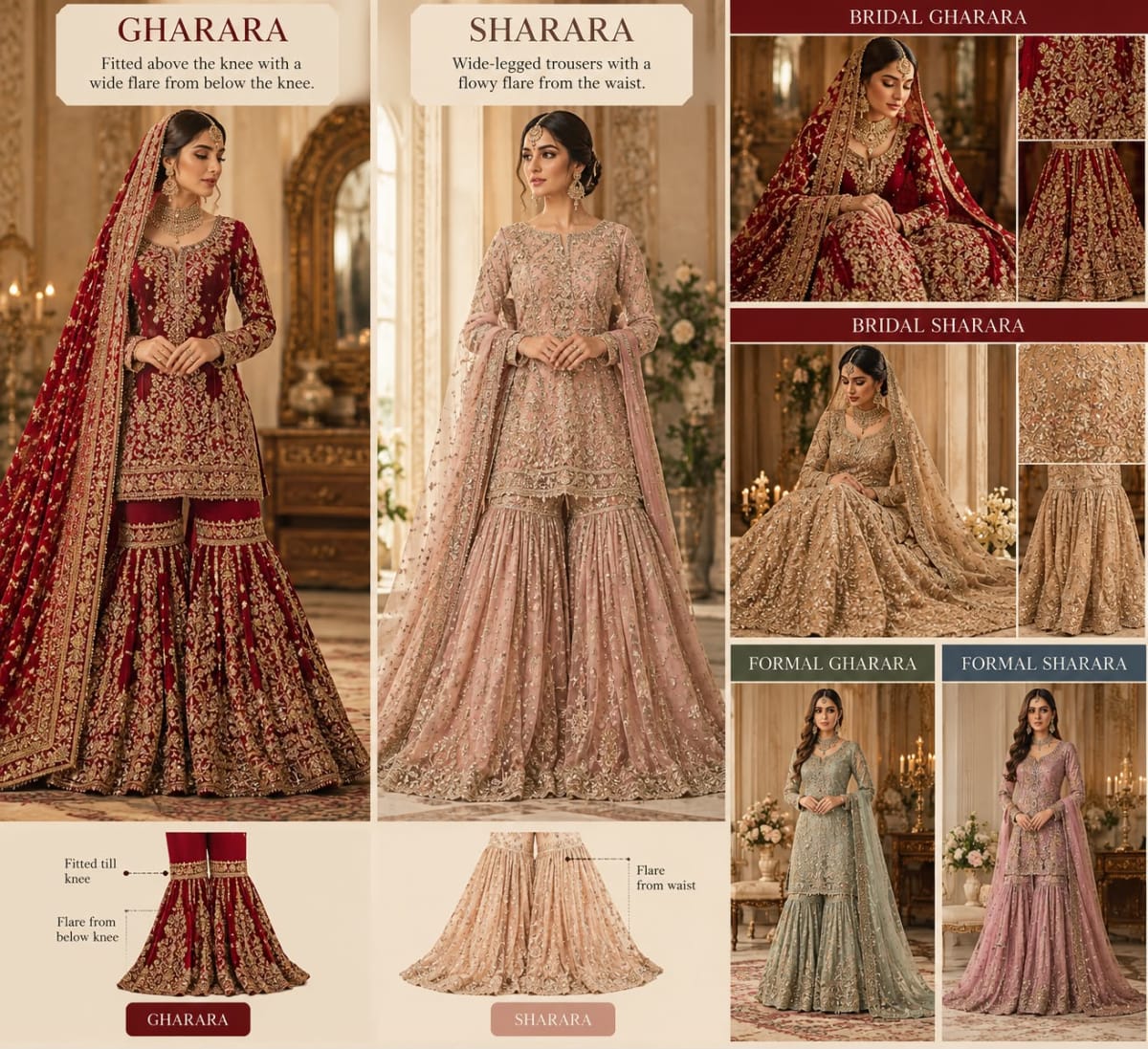
A sharara is made from two generously wide trouser legs that fall in a continuous, fluid line. Its fullness generally begins higher up the leg, often from the waist or hip, creating a graceful, skirt-like effect in motion. A gharara is more closely fitted above the knee, then opens into dramatic volume below a distinctive horizontal seam or decorative band. That transition is its signature.
Think of the sharara as fluid and uninterrupted; think of the gharara as defined and architectural. Neither is inherently more formal—the material, embellishment and styling create the level of occasion.
What is a sharara? The art of effortless movement
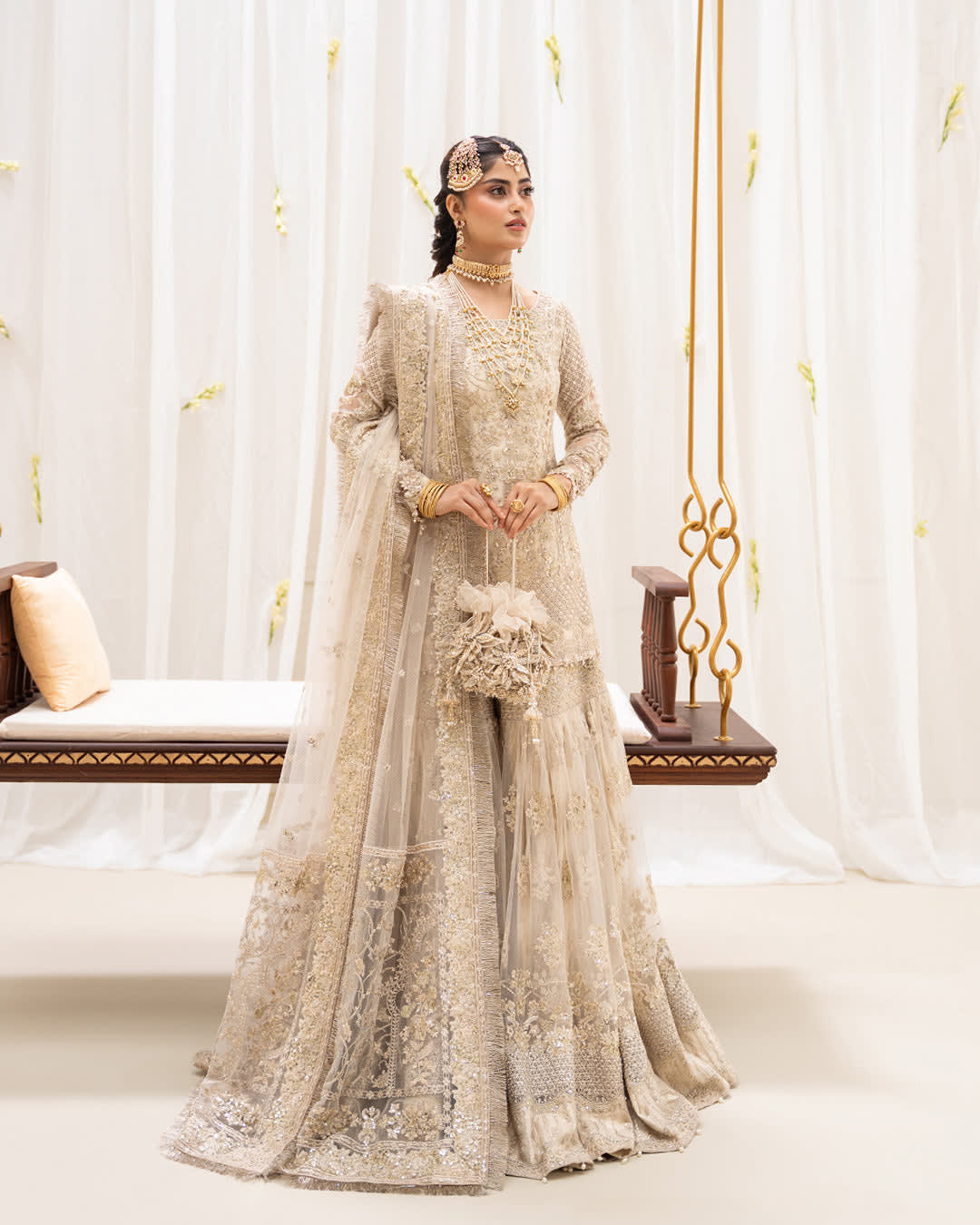
A sharara’s appeal lies in its sweeping line. Because the trouser legs widen without a sharply defined knee join, the outfit can feel light, airy and remarkably versatile. A soft georgette sharara looks romantic with a short embroidered kurta; a fuller silk version can be styled with a statement dupatta for a grander entrance.
Shararas are especially appealing when movement matters. At a Mehndi, where you may be walking, dancing and greeting guests, a well-tailored pair offers elegance without the same fitted knee section as a traditional gharara. The waistband, lining and overall weight still matter, of course.
What is a gharara? A silhouette rooted in heritage
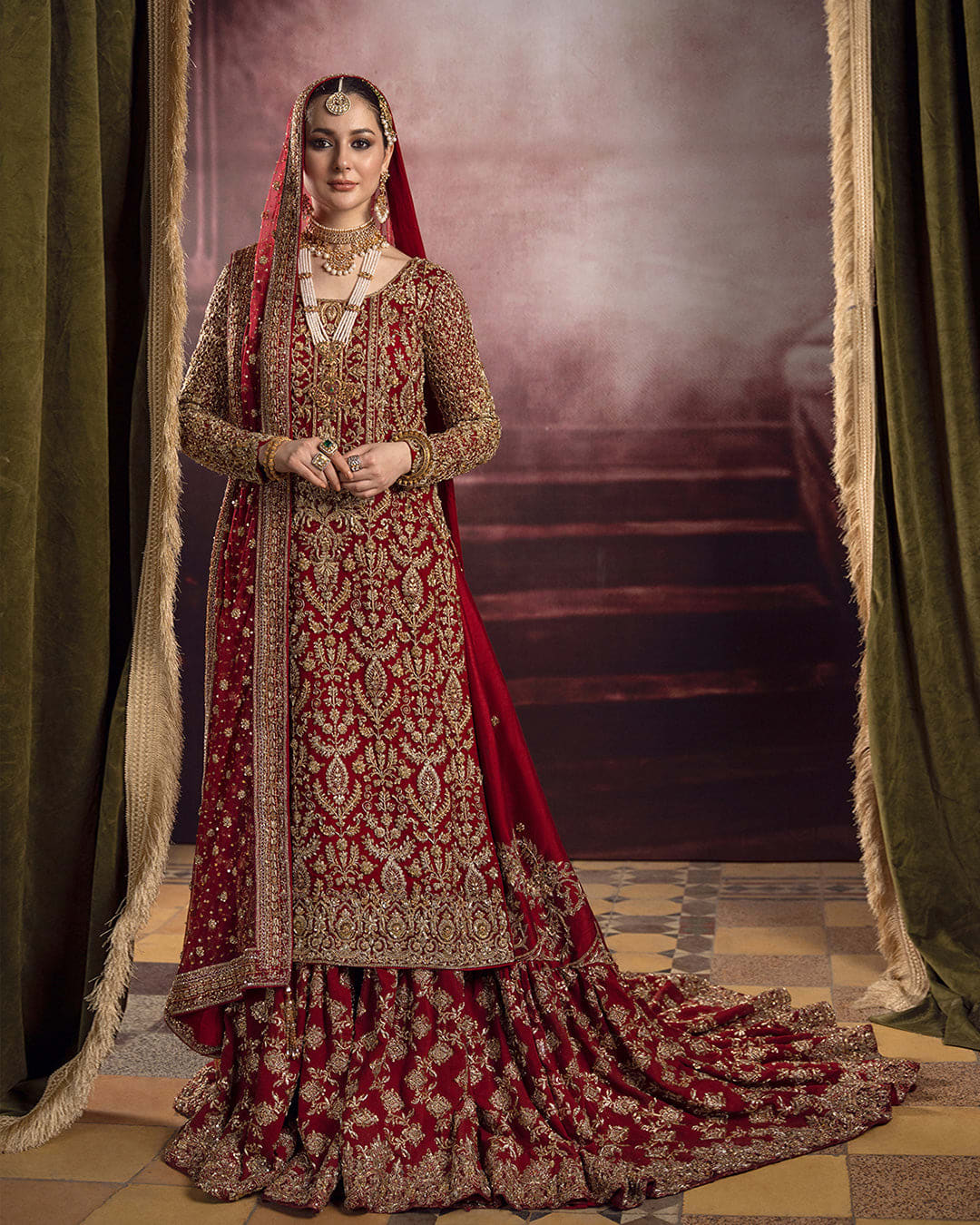
The gharara has a particularly strong association with Lucknow and Awadhi dress traditions, and remains a cherished part of South Asian wedding wardrobes. Its upper legs are cut closer to the body, while the lower panels bloom out below the knee. A decorated seam, sometimes finished with gota or embroidery, draws attention to that change in shape.
This deliberate contrast gives the gharara its character. With a shorter kameez, the knee detailing is visible; with a longer shirt, the look becomes softer and some of that signature construction is concealed. For brides who love traditional detail, the gharara has a distinctive sense of ceremony.
Sharara vs. gharara at a glance
| Detail | Sharara | Gharara |
|---|---|---|
| Cut | Wide through the legs | Fitted above the knee, flared below |
| Flare | Flows continuously | Begins prominently at the knee join |
| Visual mood | Fluid, romantic, versatile | Structured, regal, heritage-inspired |
| Kameez pairing | Short, medium or long | Short or medium highlights knee detail |
| Comfort focus | Waist, length and fabric weight | Waist, thigh and knee mobility |
Which silhouette suits your proportions?
If you are petite
Look for controlled volume and an intentional shirt length. A sharara in a fabric that drapes smoothly can create a long, uninterrupted line. A gharara can look equally striking when its knee join sits at the right point on your leg and the lower flare does not overwhelm your frame. Your footwear should be considered during fittings.
If you are tall
Both silhouettes offer wonderful possibilities. A dramatic gharara can emphasize elegant proportions, while a generously cut sharara creates a long, flowing effect. Decide whether you prefer the visual interruption of a knee band or the continuity of a wider leg.
If you have fuller hips or curves
Prioritize comfort and how the garment falls, not a rigid body-shape rule. A sharara with a smooth hip fit avoids excess bulk; a gharara needs enough ease at the thigh and knee to sit and walk naturally. Tailoring matters more than the size label.
If you prefer modest coverage
A medium or longer shirt, lined fabric and a generously draped dupatta can make either design feel comfortable and refined. Remember that a very long shirt may hide a gharara’s most recognizable detail.
The right silhouette for each wedding celebration
Nikkah: graceful and intimate
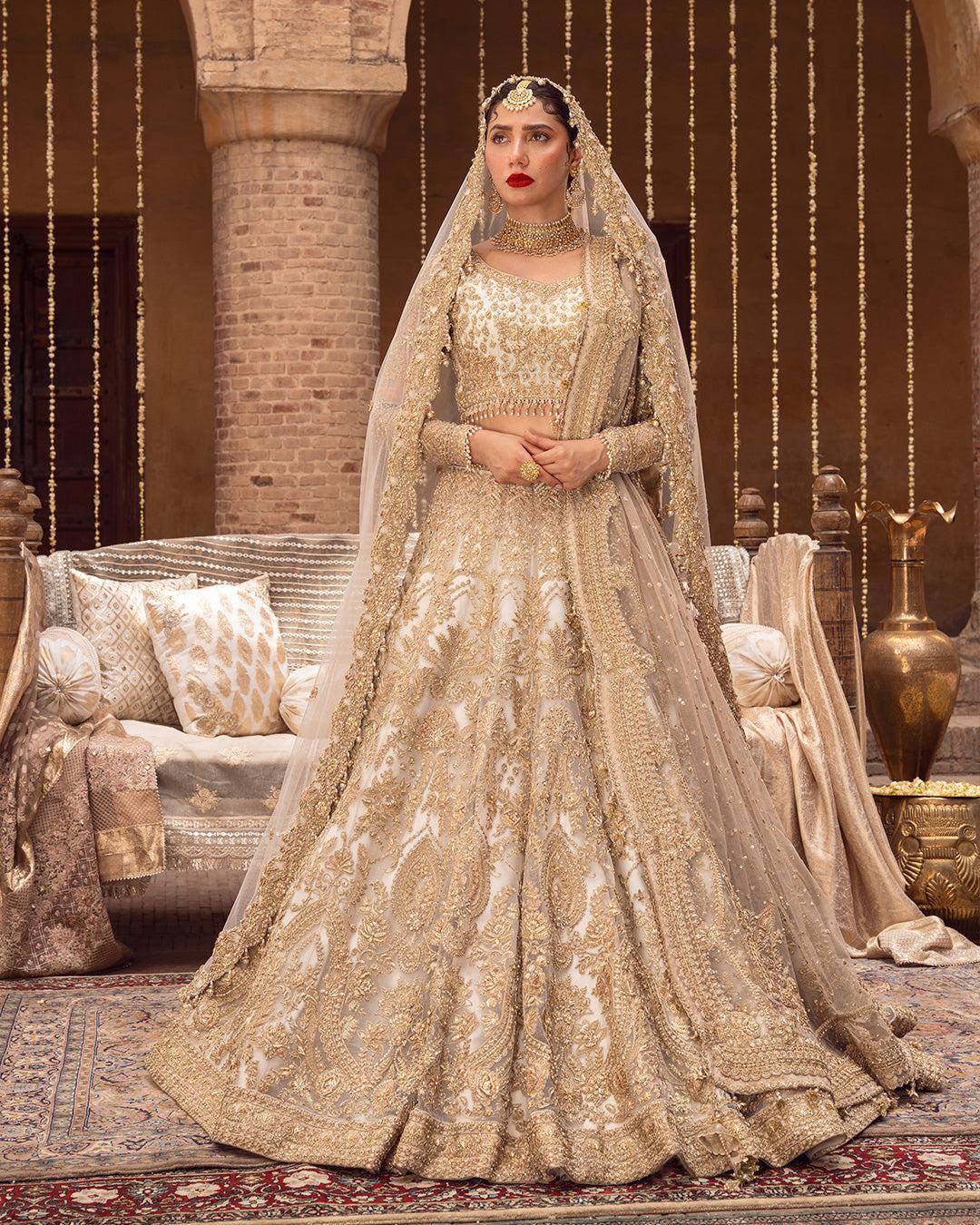
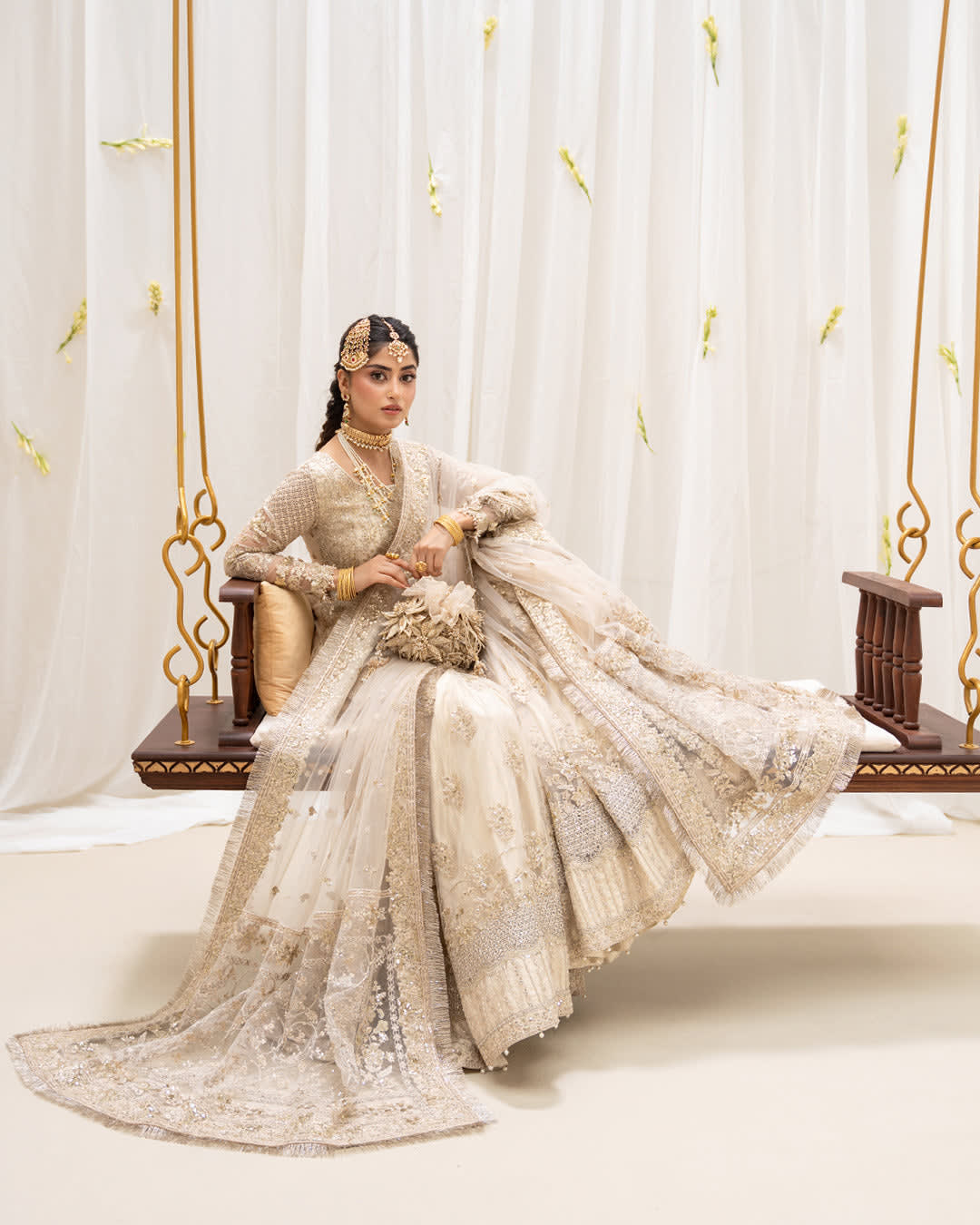
For a Nikkah, ivory, champagne, blush and muted gold offer timeless softness. A gharara lends heritage charm; a sharara feels fluid and contemporary. Light-catching embroidery and a sheer, thoughtfully edged dupatta can make either silhouette feel bridal without excessive weight.

Mehndi: movement and joy
A sharara is a natural choice for dancing and lively celebrations, particularly in bright yellow, coral, green or fuchsia. A traditional gharara is just as festive when its knee band and lower panels feature playful gota, mirror accents or colourful threadwork. Choose a dupatta arrangement that stays secure as you move.
Baraat or wedding day: richness and drama
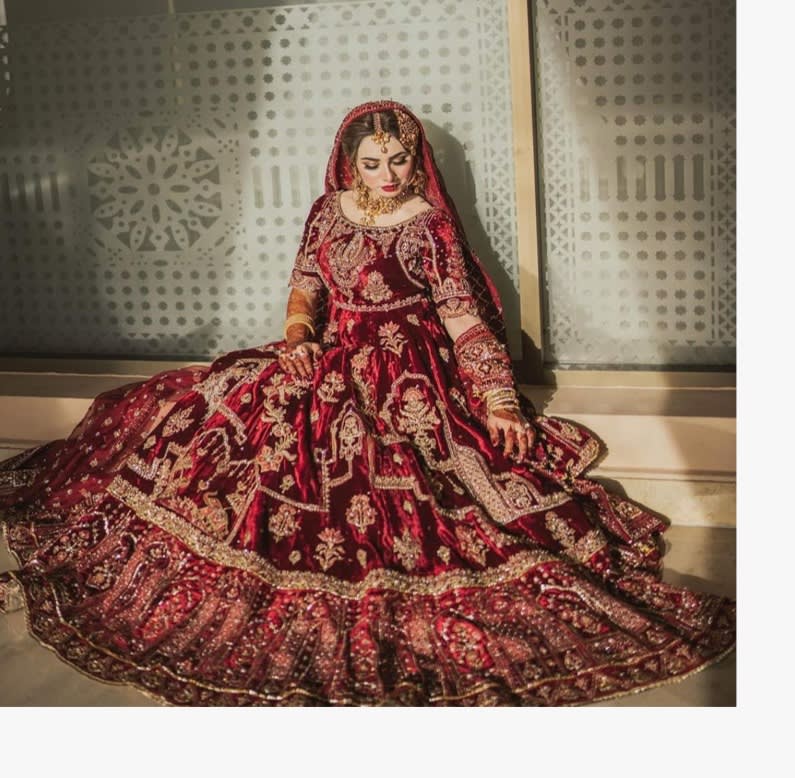
A red or maroon gharara with dense gold handwork feels unmistakably ceremonial. The dramatic lower panels can showcase elaborate borders and heritage motifs. A bridal sharara can achieve equal grandeur through volume, richly worked fabric and a statement dupatta—its effect is simply softer and more continuous.
Walima: polished and modern
Silver, ice blue, dusty rose and champagne suit refined Walima styling. A silk sharara can feel effortlessly contemporary; a pastel gharara can retain a traditional note. Restrained embroidery placement often creates a more sophisticated result than embellishing every surface.
Fabric changes everything
Raw silk offers body and structure, making it a beautiful canvas for detailed handwork. Chiffon and georgette lend a softer fall, especially to shararas. Organza gives dupattas a crisp, airy outline; net can add delicate layering when properly lined. Tissue introduces a gentle sheen, while velvet creates warmth and depth for winter celebrations.
Consider the complete outfit rather than the trousers alone. A heavily embellished shirt, weighty dupatta and voluminous lower garment can become tiring over a long event. A thoughtful combination of fabrics allows embroidery to shine while keeping the look wearable.
Embroidery: how to make the details count
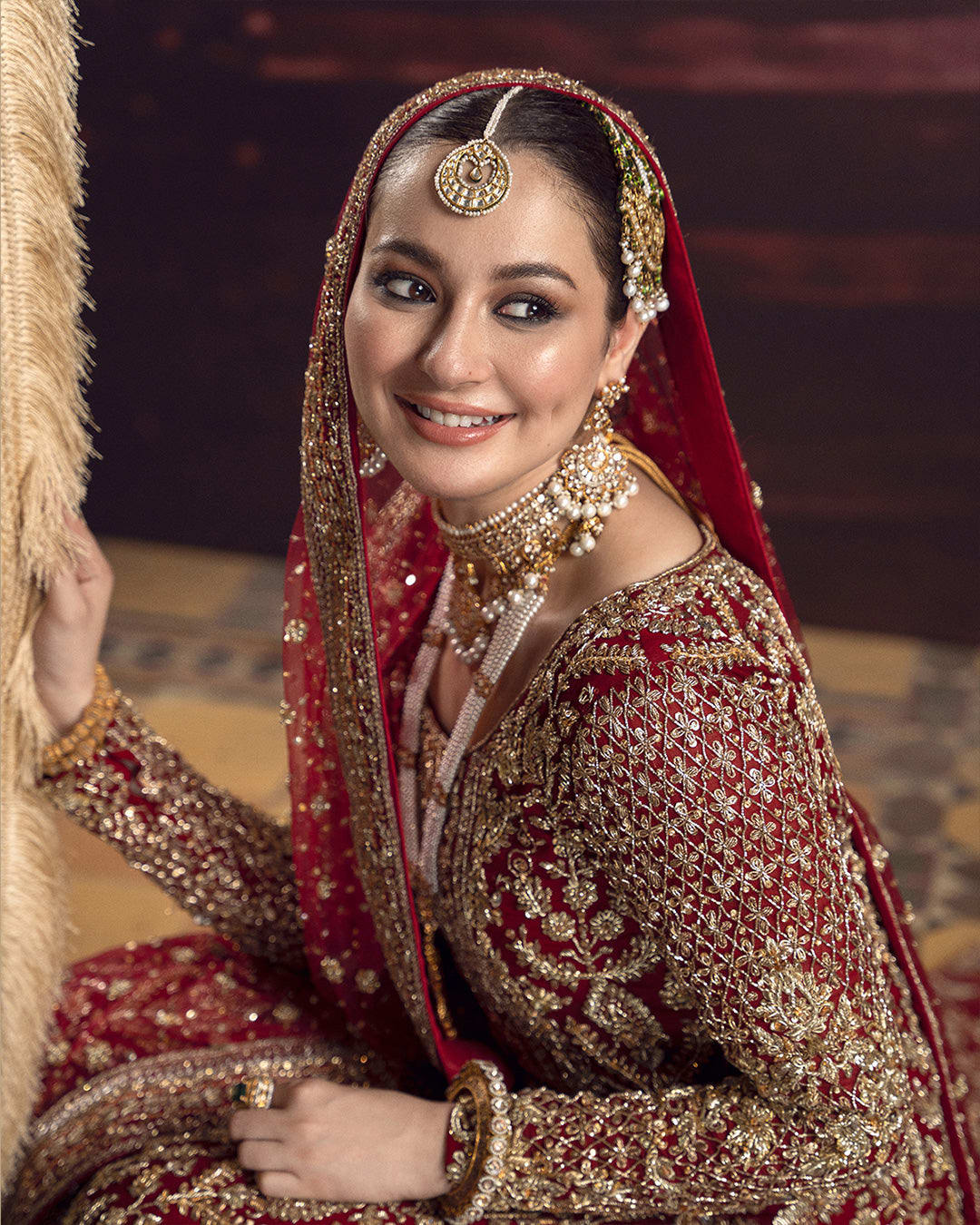
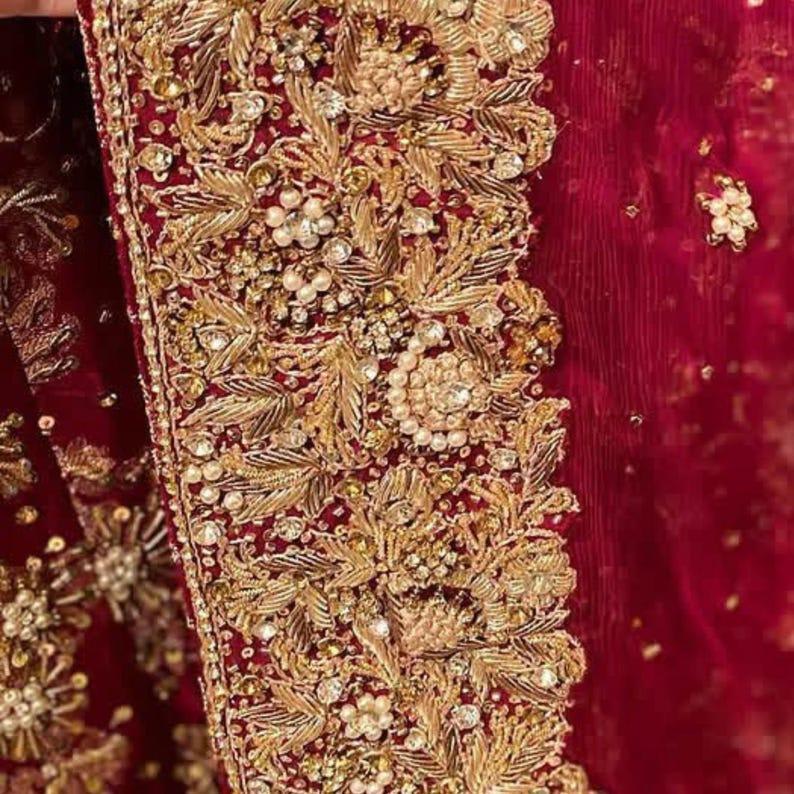
Pakistani occasionwear comes alive through techniques such as zardozi, dabka, naqshi, thread embroidery and gota patti. On a gharara, the knee join and lower hem offer natural places for borders and ornament. On a sharara, embroidery can travel down the flowing panels or gather at the hem, catching light as the fabric moves.
Balance is the secret. If the trousers are richly embellished, a cleaner neckline or more delicate dupatta can let the craftsmanship breathe. The most memorable look is rarely the one with the most decoration; it is the one where every detail has a purpose.
Shirt length, dupatta and finishing touches
A short kameez is particularly effective with a gharara because it reveals the knee join. A sharara is more flexible: it can be paired with a short kurta, peplum or longer shirt depending on the mood. Keep proportions in mind so the upper and lower halves feel connected.
A head-draped dupatta can lend a ceremonial finish to bridal styling; a lighter one-shoulder drape feels effortless for a Mehndi or formal evening. Test the arrangement with your jewellery and hairstyle before the event. Beautiful styling should also stay comfortably in place.
Why custom tailoring makes a difference
The right fit transforms both designs. For a sharara, check that the waistband is comfortable, the hips fall smoothly and the hem works with your chosen shoes. For a gharara, the position of the knee join is essential: too tight and movement becomes awkward; too low and the intended proportions disappear.
When ordering a custom piece, share your height, preferred shirt length, heel height and event details. Ask about lining, garment weight and the degree of flare. A careful fitting or measurement review is often what turns a beautiful design into an outfit you genuinely enjoy wearing.
A simple way to decide
Choose a sharara if you love soft movement, versatility and a flowing outline. Choose a gharara if you are drawn to heritage details, a defined knee seam and a dramatic traditional shape. If you are undecided, compare full-length images in similar fabrics and colours—the difference becomes much clearer when embroidery and styling are held constant.
Frequently asked questions
Are shararas and ghararas the same?
No. A sharara is broadly flared through the legs, while a gharara has a more fitted upper section and a pronounced flare below the knee.
Can a petite bride wear a gharara?
Absolutely. Correct knee placement, balanced volume and thoughtful tailoring matter far more than height alone.
Which is easier to move in?
A sharara often feels freer around the knees, but comfort depends on the cut, fabric, weight and fit of the finished outfit.
Can I wear a long shirt with a gharara?
Yes. Just remember that a long shirt may cover the signature knee detailing, creating a different overall impression.
Is a sharara formal enough for a bride?
Certainly. With luxurious fabric, exquisite embroidery and a carefully styled dupatta, a sharara can be every bit as bridal as a gharara.
The Nayyab Collection perspective
Tradition is at its most beautiful when it feels personal. The sharara and gharara each have their own history, rhythm and charm—but neither should dictate how you express yourself. Whether you imagine a soft ivory Nikkah look, a colourful Mehndi ensemble or an heirloom-inspired bridal statement, choose the silhouette that lets you move, celebrate and feel entirely yourself.
Explore bridal and formalwear inspiration at nayyab.shop.
Plan your bridal look with our designers
Book a one-to-one consultation. Share your wedding date, your inspiration and your budget, and we'll shape a look that's entirely yours.