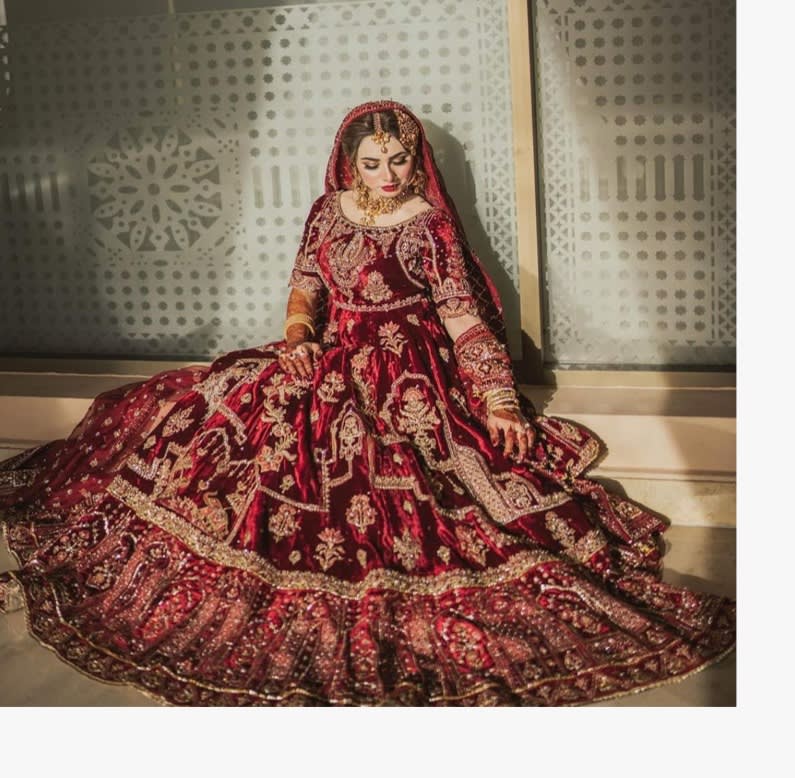
How to Order a Pakistani Bridal Outfit Overseas
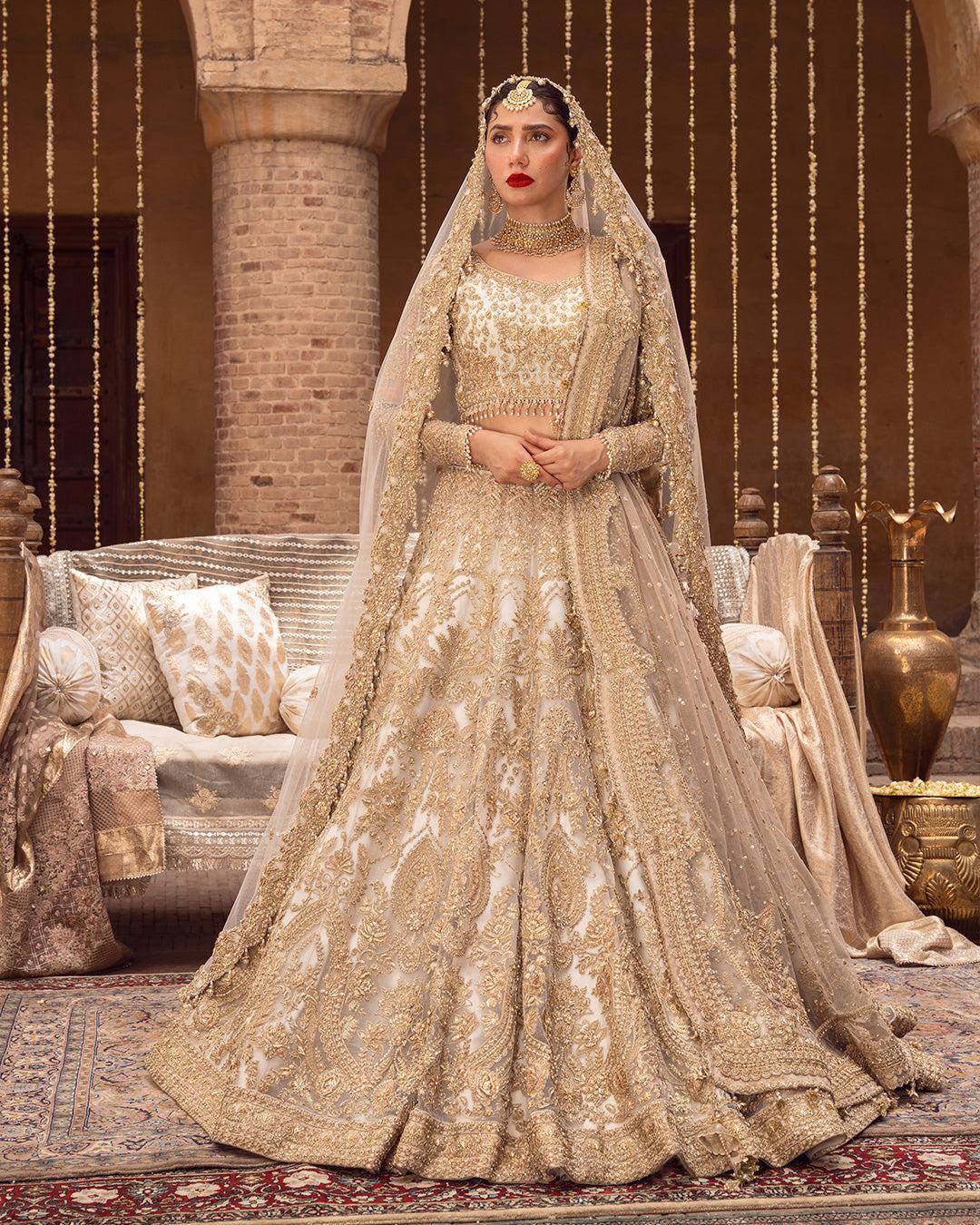
A Step-by-Step Guide for International Brides
THE NAYYAB BRIDAL JOURNAL | APPROX. 10-MINUTE READ
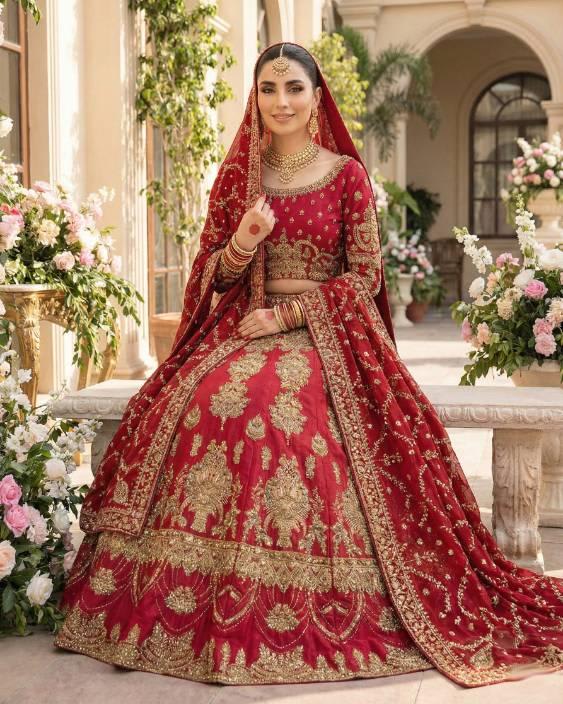
There is something deeply personal about choosing a Pakistani bridal outfit when your wedding is taking place thousands of miles from Pakistan. Perhaps you grew up watching your mother preserve her wedding dupatta, or you have always imagined walking into your ceremony in a richly embroidered lehenga. You might be planning a Nikkah in London, a Mehndi in Toronto, or a wedding celebration in Dubai. Wherever you live, the dream is the same: a dress that feels like you and honours the traditions you love.
Ordering internationally can feel daunting. You cannot simply visit the workshop every week, try on each stage, or compare fabrics under the boutique lights. But with thoughtful planning, clear communication and realistic timelines, the process can be exciting rather than stressful. This guide walks you through every important decision—from your first inspiration photograph to opening the package at home.
1. Begin with your wedding date—not your dream dress
Before contacting a boutique, write down the date of each event, the city where you will wear the outfit and the latest day you need the dress in hand. Your delivery deadline should be earlier than your wedding date, ideally with a meaningful buffer for customs, unexpected transit delays, steaming and any minor local alterations. A custom outfit may require design approvals, material sourcing, handwork, stitching, quality checks and dispatch. Those stages take time, and the schedule varies with complexity and the boutique’s workload.
When you first enquire, ask for a realistic production estimate, the date the outfit can be dispatched, the shipping method and what happens if a milestone slips. Avoid relying on an informal promise such as “it will be ready before your wedding.” A written timeline is much more reassuring.
2. Find a boutique you can communicate with confidently
Beautiful Instagram photography is a wonderful starting point, but it should not be your only test. Explore the boutique’s website, finished garments, close-up embroidery photographs and customer feedback. Ask whether it regularly handles international orders, how fittings are managed remotely, and whether it can share progress images before shipping. A reliable team should be willing to explain what can and cannot be customized.
Use the first consultation to assess communication as much as design. Are your questions answered clearly? Are details confirmed in writing? Can the boutique explain the fabric, lining, embroidery and silhouette without vague promises? If a relative in Pakistan is coordinating on your behalf, agree on one person who will approve decisions so instructions do not conflict.
3. Create a bridal vision that is unmistakably yours
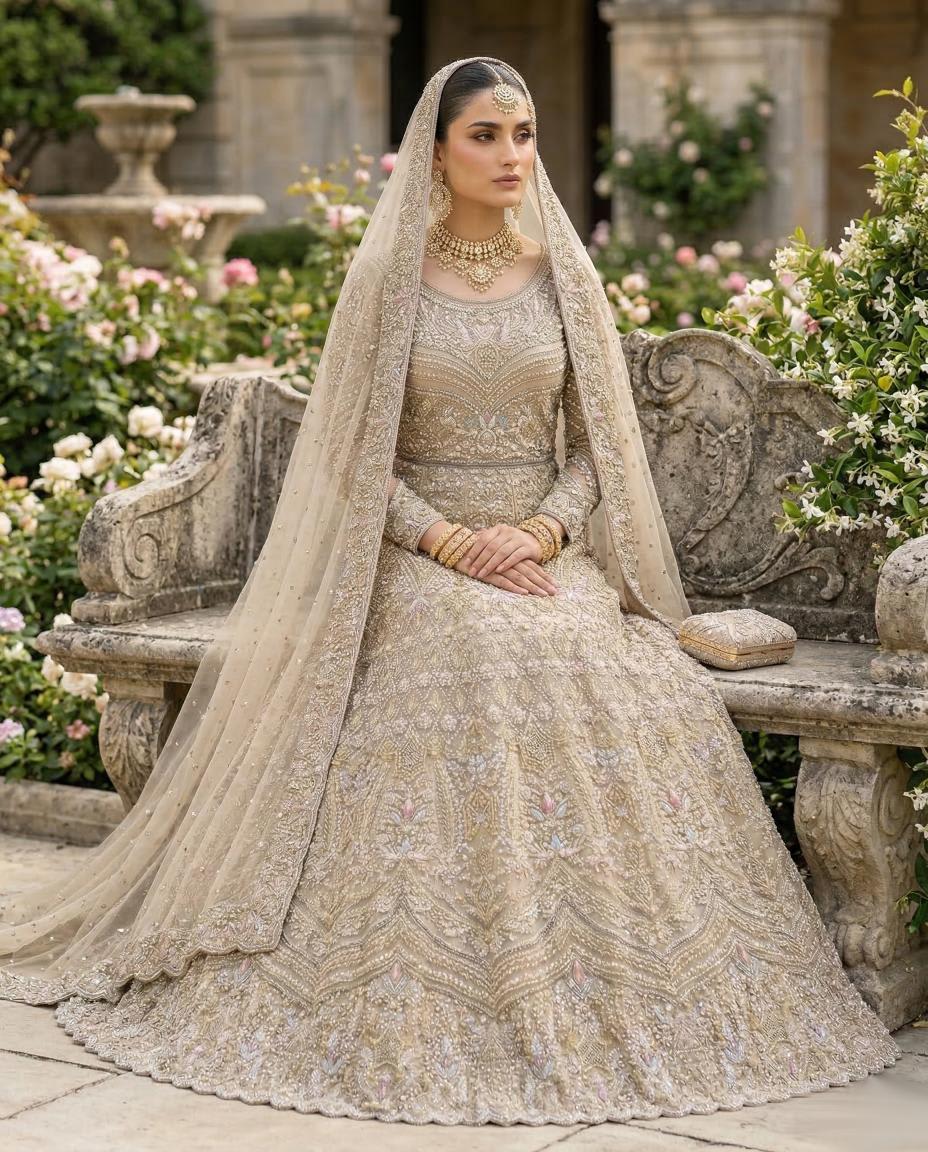
Start a small reference folder rather than sending dozens of unrelated screenshots. Choose one image for the silhouette, another for the neckline, one for the embroidery style and one for the exact colour family. Label what you love about each photograph. “I like the fall of this lehenga, but I want less work on the sleeves” is far more helpful than “make it exactly like this.”
Think about your ceremony and surroundings. Deep reds, maroons and antique golds create a regal Barat look; champagne, ivory and muted blush can be exquisite for a Nikkah or Walima. A heavily embroidered bridal dress may photograph beautifully in a grand indoor venue, while a lighter construction can be more comfortable for a summer outdoor celebration. Discuss your height, preferred coverage, footwear and jewellery early because these affect the finished proportions.
4. Request a detailed quotation before paying
A proper bridal quotation should specify the outfit pieces—shirt or blouse, lehenga or gharara, dupatta, lining and any accessories—as well as the proposed fabrics, handwork, stitching, embellishment density and customization. Ask whether taxes, shipping, insurance, alterations and extra dupattas are included. International customers should also clarify the currency, payment method, transaction charges and whether import duties or local taxes may be collected on arrival.
Confirm the deposit, remaining payment schedule, cancellation rules and refund policy before transferring money. Custom work may become non-refundable after materials are purchased or embroidery begins, so understand those terms upfront. Keep the invoice, approved design details and payment confirmations together in one folder.
5. Get your measurements right from the start
Remote fitting is often the part overseas brides worry about most. The best approach is to have a professional tailor take your measurements while you wear the undergarments and footwear height you expect to use. Request the boutique’s own measurement chart rather than assuming standard sizes will work. Different silhouettes need different measurements, and the exact points should be confirmed by the maker.
Common requirements include bust, underbust, waist, hips, shoulder width, armhole, sleeve length, bicep, shirt length, skirt length and desired heel height. Never pull the tape too tightly. Take measurements twice, record the units clearly and send photographs of the tape placement if requested. If you expect significant changes in body measurements before the wedding, discuss that possibility rather than guessing a future size.
Ask what seam allowance is available for adjustments and whether the garment will be made to your body measurements or to a slightly relaxed fit. Remember that a beautifully fitted bridal outfit must still allow you to sit, walk, embrace family and enjoy the evening.
6. Choose fabrics and embroidery with real-life wear in mind
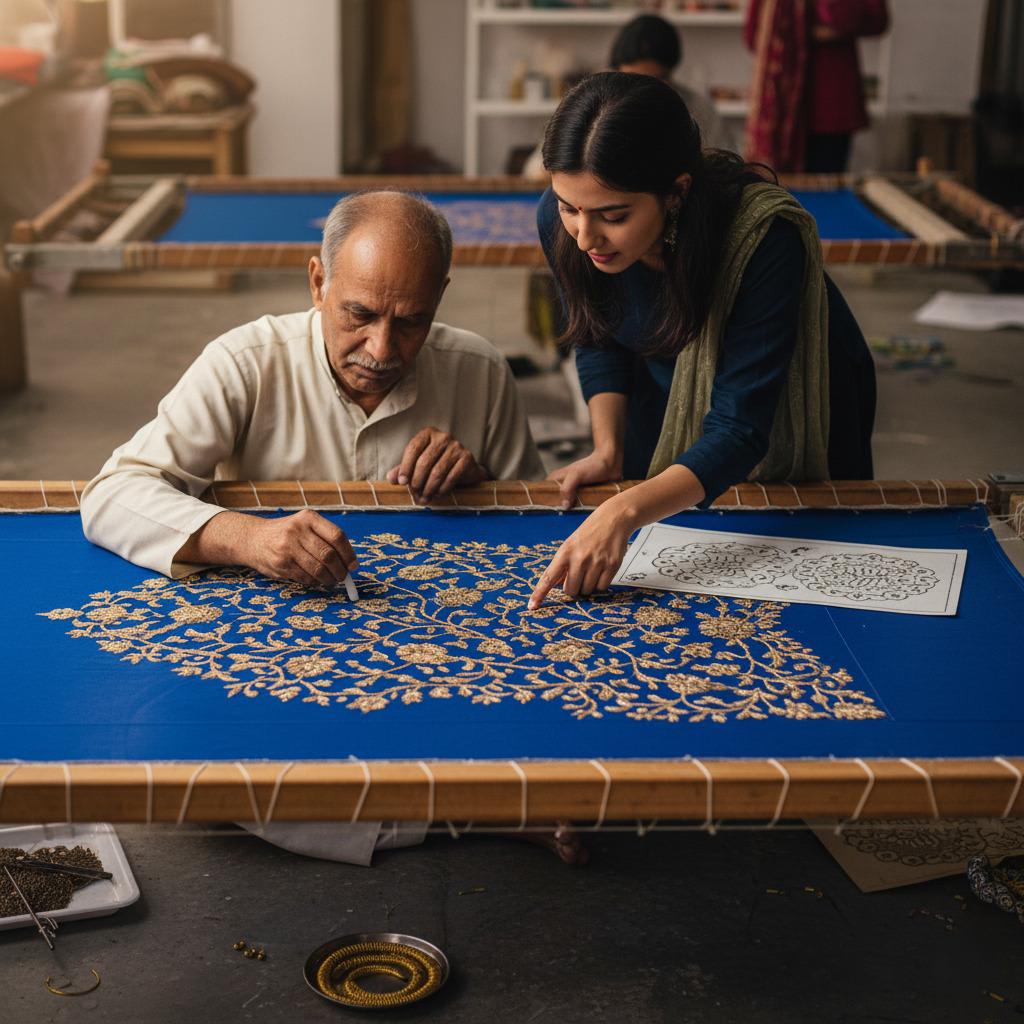
A bridal photograph cannot tell you everything about fabric weight, softness or movement. Raw silk offers structure and a polished finish; velvet creates depth for cooler-weather weddings; organza brings airy volume to dupattas and overlays; net can carry intricate embellishment while keeping a delicate appearance. Each fabric behaves differently under embroidery, lighting and movement.
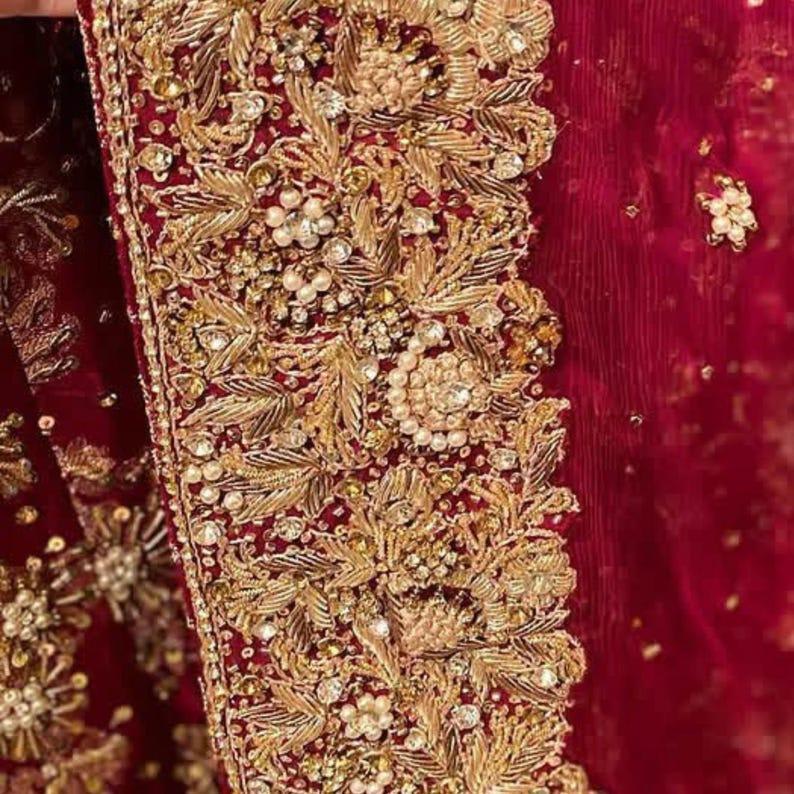
Ask for daylight photographs or short videos of the proposed material, especially when choosing ivory, blush, champagne or gold. Discuss the difference between hand embroidery and machine embellishment, and where heavier work will be concentrated. Traditional techniques such as dabka, zardozi, naqshi and sequins can create extraordinary detail, but the overall weight should suit your comfort and the length of your event.
Do not overlook the dupatta. Its border, transparency, width and weight affect both the look and the practicality of your bridal styling. If you intend to cover your head during the Nikkah, tell the boutique early so the fabric and border can be planned accordingly.
7. Approve the design before production begins
Before stitching or heavy embellishment starts, request a final written design summary. It should include the colour, fabric, neckline, sleeve length, silhouette, embroidery placement, dupatta style, measurements, delivery location and agreed cost. Where available, approve a sketch, swatch photograph or reference mock-up. This is the moment to resolve differences between what you imagined and what the maker understood.
A clear approval process protects both sides. Changes requested after embroidery has started may require additional time and cost, and some details may no longer be possible to alter. Save the approved version so everyone can refer back to the same design.
8. Follow production with useful, well-timed updates
You do not need daily photographs to feel involved. Instead, agree on a few meaningful checkpoints: fabric confirmation, embroidery in progress, stitching stage, completed outfit and final packing. Ask for both full-length photographs and close-ups. A short video in natural light can reveal the drape and shimmer more accurately than a heavily edited image.
When reviewing updates, check practical details: Is the embroidery balanced? Does the colour match the approved reference as closely as possible? Are the sleeves and neckline consistent with the agreed design? Does the dupatta border look correct? Be mindful that camera settings and screens can shift colour, so request additional daylight views if a shade seems uncertain.
9. Ask for a final quality check before dispatch
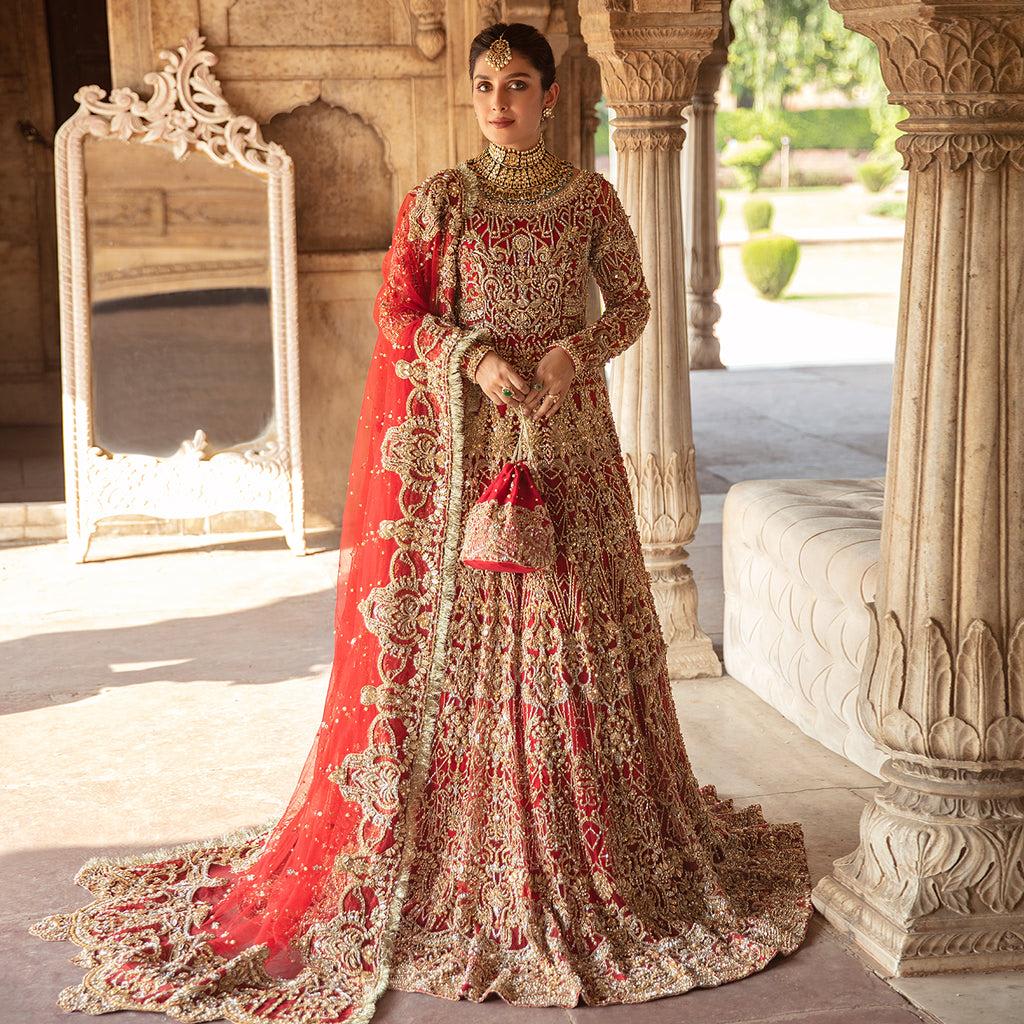
Before the package leaves Pakistan, ask the boutique to photograph the complete outfit laid out and, where possible, displayed on a mannequin. Confirm that all ordered pieces are included. Request close-ups of the neckline, sleeve cuffs, hem, waistband, fastenings and dupatta border. Check that loose threads have been removed, embellishments are secure and the garment has been finished and pressed appropriately for its fabric.
If the boutique offers a final video call, use it to confirm the garment rather than to introduce a new design. Make sure the delivery address, recipient name and phone number are correct, including apartment numbers and postal codes. Small shipping-detail errors can cause unnecessary delays.
10. Understand international shipping, customs and tracking
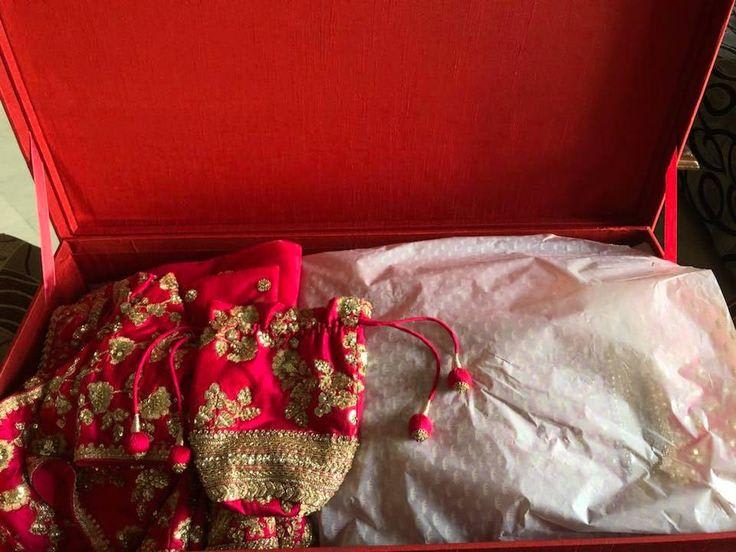
International shipping is more than placing a dress in a box. Heavy bridal outfits need careful folding, protective tissue or fabric layers, and secure packaging that minimizes pressure on raised embellishment. Ask whether the garment will be packed in a garment bag or box, whether the shipment is tracked and insured, and how the declared value is handled. The declaration should be accurate and consistent with the invoice.
Customs procedures differ between countries and can change. Brides in the UK, USA, Canada, Australia, UAE and European countries should check current import duties, taxes and documentation requirements for their destination before ordering. Shipping fees and import charges are not always the same thing. A parcel may also require recipient information or payment of charges before release.
Once dispatched, save the tracking number and monitor the shipment. If the carrier requests information, respond promptly. Avoid booking your final fitting or bridal photography for the same day the package is expected to arrive.
11. Unbox, inspect and prepare your outfit carefully
Open the package in a clean, spacious area and take photographs as you unpack. Check every piece against the invoice: main garment, dupatta, lining, sleeves if separate, and accessories. Inspect seams, hooks, zips and embellishments, then try on the outfit with the intended footwear and jewellery. If anything is wrong, contact the boutique immediately with clear photographs rather than attempting major alterations first.
Allow time for creases to relax. For heavily embellished or delicate fabrics, professional steaming by someone experienced with bridalwear is often safer than direct ironing. Store the dress in a breathable garment cover, away from moisture and direct sunlight. A local bridal tailor can help with small adjustments, but any substantial alteration should be discussed with the original maker first.
12. A realistic ordering timeline makes all the difference
There is no universal timeline for bespoke bridalwear: an elaborate handworked ensemble and a simpler made-to-measure outfit will require different schedules. Start conversations several months ahead whenever possible, especially during peak wedding seasons. Build the plan backwards from the date you want the dress at home, not merely the wedding date. Include design discussions, measurement confirmation, approvals, production, final inspection, shipping and an arrival buffer.
If your wedding is close, ask honestly whether a ready-to-wear or semi-custom design is a better option. A dress that arrives safely and fits well is far more valuable than an ambitious design that leaves no time for contingencies.
13. Questions every overseas bride should ask
Can I customize an existing design?
Often, yes—but the options depend on the original cut, available fabric and production stage. Ask what can be changed before placing the order.
How can I judge the colour from another country?
Request daylight images, short videos and, when practical, physical swatches. Expect minor differences between screens and real fabric.
What if my measurements change?
Discuss likely changes early and ask about seam allowance. Some adjustments may be possible locally, but extensive resizing can affect embroidery placement.
Who pays customs charges?
The answer depends on the seller’s shipping terms and your destination. Confirm this in writing and check local requirements.
What happens if my parcel is delayed?
Use tracked shipping, allow a generous buffer and ask about the carrier’s escalation process. No boutique can guarantee every customs clearance date.
The final thought: distance should not diminish the experience
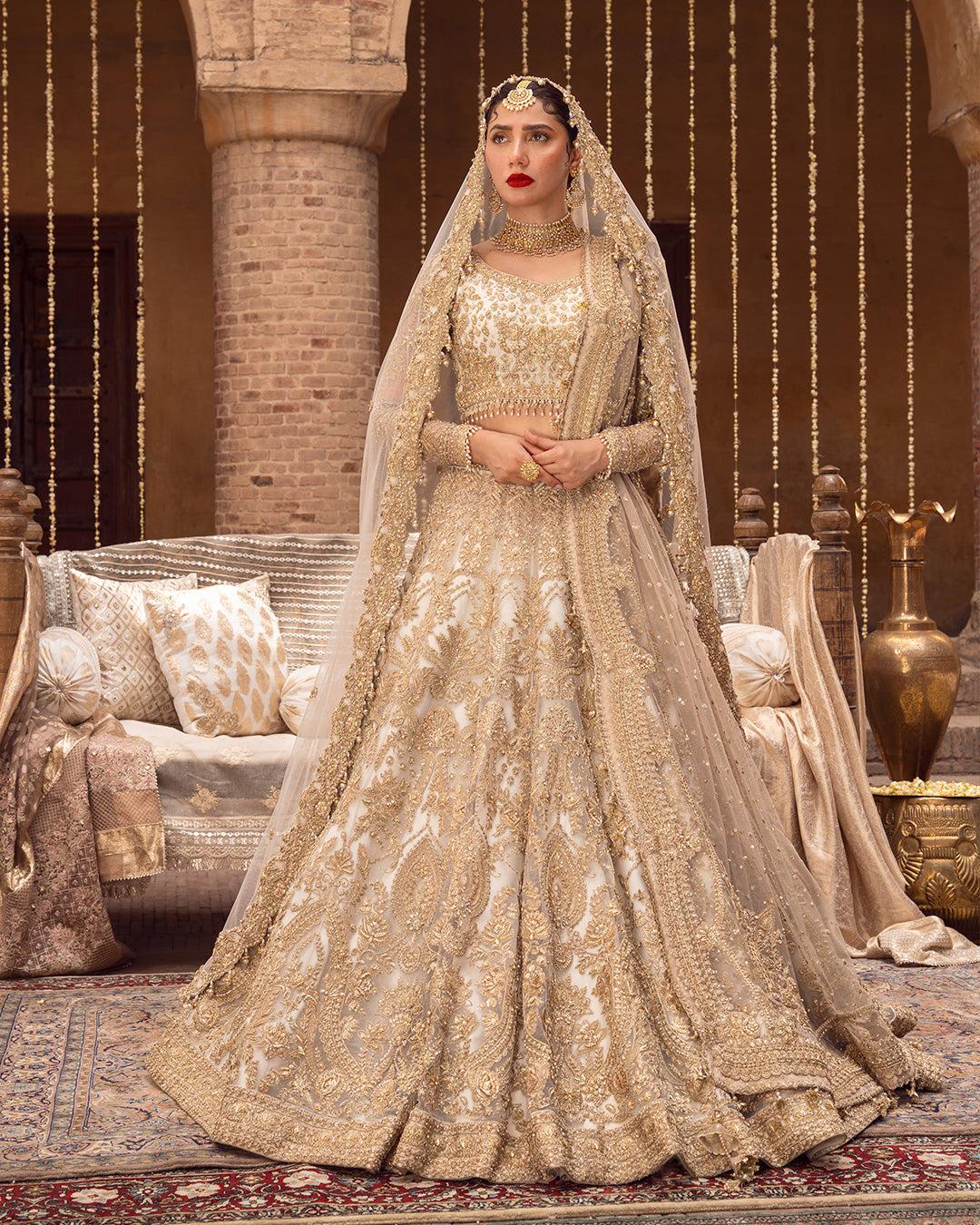
Ordering your Pakistani bridal outfit from overseas is ultimately an act of connection: to family, craftsmanship, culture and your own idea of beauty. The right experience is not about sending a picture and hoping for the best. It is a thoughtful collaboration built on clear expectations, precise measurements, honest timelines and trust.
At Nayyab Collection, we believe a bridal outfit should feel personal from the first conversation to the final fitting. Explore bridal inspiration at nayyab.shop and begin with the details that matter most: your event date, destination, preferred silhouette and the feeling you want your outfit to capture. Your wedding story may unfold far from Pakistan, but its traditions can travel beautifully with you.
Get your measurements right the first time
Our measurement guide walks you through every number we need, so your outfit fits whether you're in Lahore, London or Toronto.